TL;DR
A Deloitte and Re:State report reveals a sharp divide between public scepticism about AI in government services and the optimism of public sector leaders. Polling of nearly 6,000 adults found voters are more likely to see AI as a risk than an opportunity, primarily fearing a “computer says no” state that removes human contact.
Voters fear losing the human element
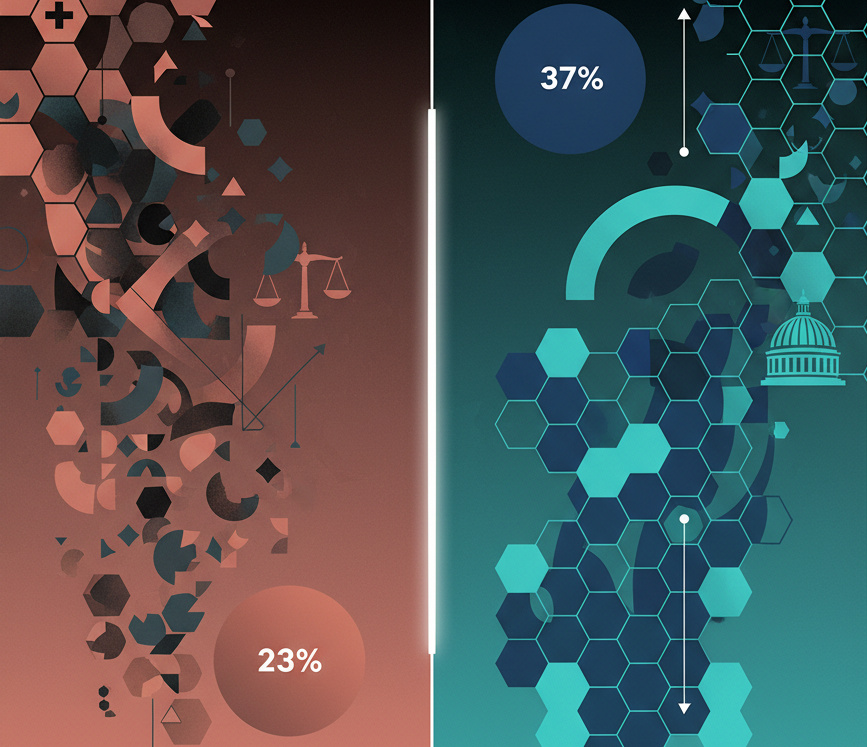
Ipsos polling of 5,847 adults found 37% view AI as more of a risk to public services, against just 23% who see it as an opportunity. Roughly half cited concerns about reduced human contact, lack of human oversight, and job losses.
These fears appear rooted in experience. Voters were evenly split on whether past technology has made public services faster or slower, easier or harder, and better or worse. More said digitisation has made services less personalised and worse at handling complaints. Anyone who has navigated an NHS online appointment system or HMRC phone triage will recognise the frustration.
Satisfaction with public services has collapsed since 2020: NHS satisfaction has dropped from 65% to 30%, housing from 43% to 25%. Half or more voters expect services including the NHS, policing, and immigration to worsen in coming years.
Leaders see a different picture
Senior civil servants, NHS leaders, and police and council chiefs who participated in the study were far more upbeat. Many expressed hope that AI would “take 80 per cent of the grunt work out of the job.” One policing leader described “virtual officers” listening to 999 calls to improve emergency response.
Yet this optimism rests more on hope than evidence. One council chief executive estimated they exploit “about 5 to 10 per cent of what AI can do.” Another reported using a personal ChatGPT account for want of institutional tools. A senior civil servant described “a thousand flowers blooming” but no clear sense of where AI is best applied.
Looking forward
Charlotte Pickles, Re:State’s chief executive, warned the findings should be “flashing red warning lights to government.” The loss of faith in the state’s ability to deliver basic services is precisely what drives support for parties promising radical disruption. Rebuilding public trust may prove as difficult as deploying the technology itself.