TL;DR
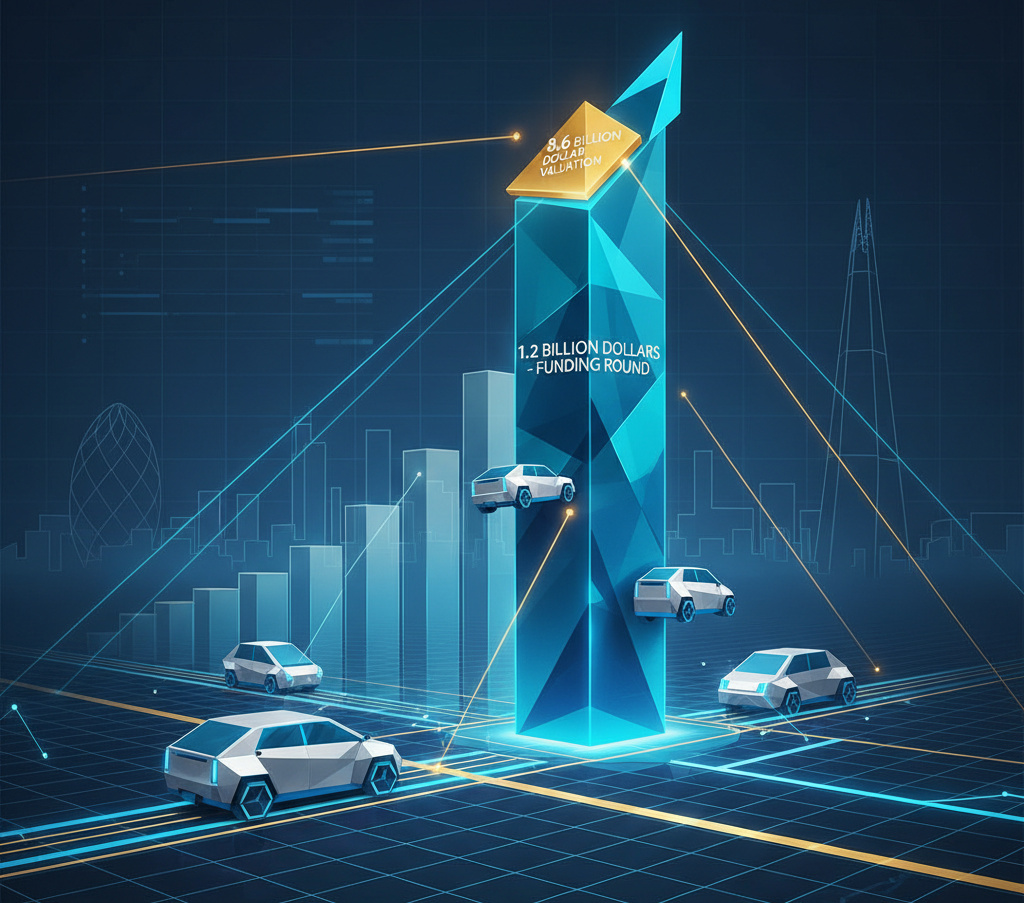
London-based self-driving start-up Wayve has raised $1.2bn from automakers Mercedes-Benz, Stellantis and Nissan alongside tech investors Nvidia, Microsoft and Uber. Valued at $8.6bn, the company is preparing to launch robotaxi services in London later this year.
First automotive industry backing
The funding round marks the first time Wayve has raised capital from the car industry, following its initial commercial partnership with Nissan last year. All three automakers — Mercedes-Benz, Stellantis and Nissan — will integrate Wayve’s autonomous driving software into vehicles for both robotaxi fleets and privately owned cars.
Existing investors Eclipse, Balderton and SoftBank Vision Fund 2 led the round, bringing Wayve’s total capital raised to $2.5bn. Microsoft CEO Satya Nadella described the company as “pushing the frontier of embodied AI.”
“We’ve got the partnerships, the strategic support but also the capital we need to license software that’s going to be in vehicles that will be owned and operated for a decade plus,” said Alex Kendall, Wayve’s co-founder and CEO.
A different model to Tesla and Waymo
Unlike Tesla and Waymo, which build autonomous systems for specific vehicles and sensor configurations, Wayve argues its technology is “generalisable” — working across different vehicles, chip platforms and urban environments. The software can adapt to existing carmaker hardware and systems, allowing manufacturers to retain control over sensor choices, vehicle design and driving behaviour.
Uber plans to deploy a fleet of Wayve-powered robotaxis in 10 cities across multiple countries including London, with its expanded alliance potentially unlocking up to $300mn in further investment. The first private vehicles using Wayve’s “AI driver” will go on sale next year with a limited “hands-off” system requiring driver supervision.
Looking forward
Wayve is preparing to compete directly with Waymo (valued at $126bn) and China’s Baidu in the UK’s first robotaxi trials in London this year. Kendall predicts that Wayve’s “high-margin software model” could ultimately prove more scalable than rivals who manufacture their own vehicles or run their own services. The company says it is talking to “every Western car maker who is not Tesla” about integrating its technology.