TL;DR
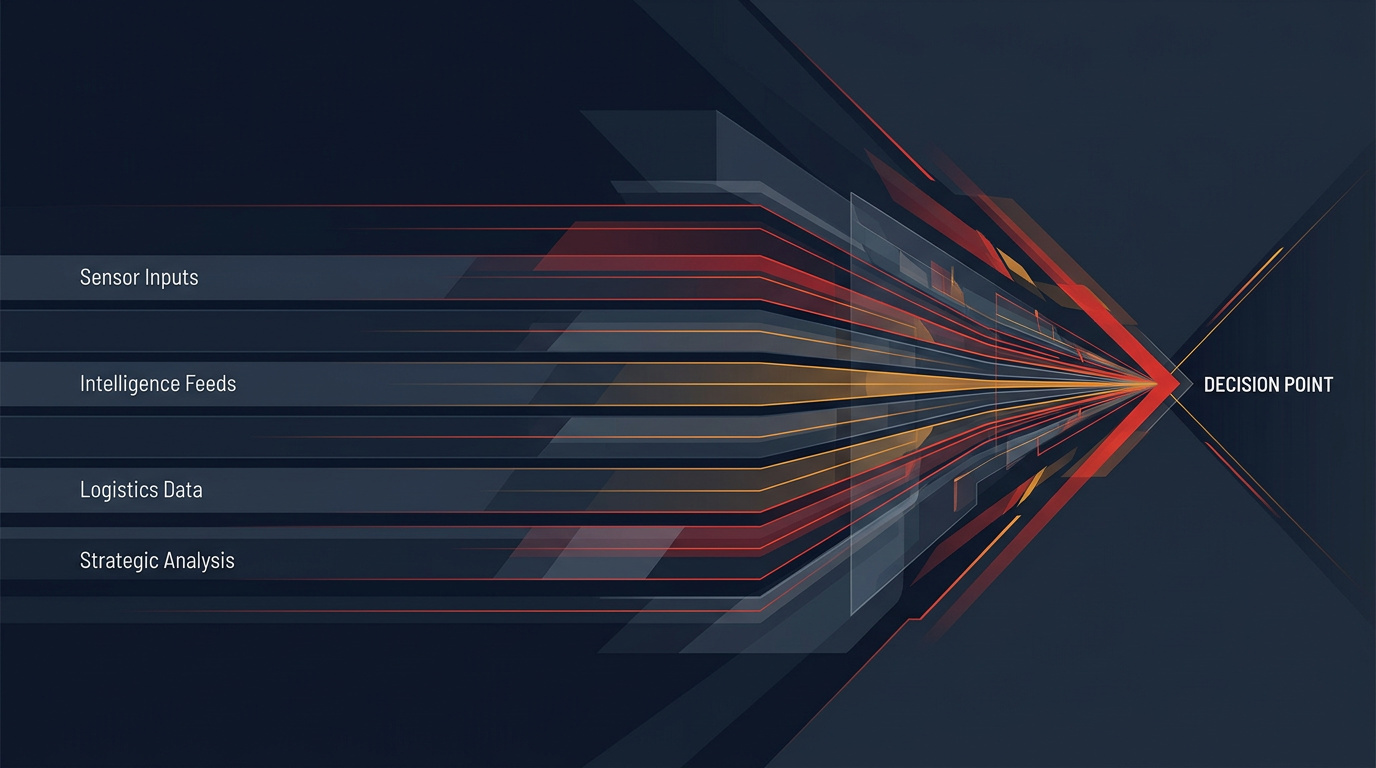
Military experts say AI tools used in the US strikes on Iran are compressing military planning timelines from weeks to minutes, a phenomenon they call “decision compression.” Anthropic’s Claude was reportedly used in the strikes as part of Palantir’s intelligence system, enabling almost 900 strikes in the first 12 hours. Academics warn this speed risks turning human decision-makers into rubber stamps for automated strike plans.
How AI Changed the Kill Chain
The US and Israel launched nearly 900 strikes on Iranian targets in the first 12 hours of the campaign, during which Israeli missiles killed Supreme Leader Ayatollah Ali Khamenei. That scale and speed would have been impossible with traditional military planning.
Craig Jones, a senior lecturer at Newcastle University and expert in kill chains, described the shift: “The AI machine is making recommendations for what to target, which is actually much quicker in some ways than the speed of thought. So you’ve got scale and you’ve got speed — assassination-style strikes at the same time as you’re decapitating the regime’s ability to respond. That might have taken days or weeks in historic wars. You’re doing everything at once.”
The AI systems analyse drone footage, telecommunications interceptions, and human intelligence. Palantir’s system uses machine learning to identify and prioritise targets, recommend weaponry based on stockpiles and past performance, and evaluate legal grounds for strikes using automated reasoning.
The Human Oversight Problem
David Leslie, professor of ethics at Queen Mary University of London, warned about “cognitive off-loading” — where humans tasked with strike decisions feel detached from consequences because a machine has done the thinking. Decision-makers now operate within “a much narrower time band to evaluate the recommendation.”
The concern is not that AI produces bad recommendations but that the speed of the process leaves insufficient time for meaningful human review. When a system can generate a target list, recommend weapons, and produce legal justification in minutes, the human role shifts from active decision-making to approval.
Civilian Casualties
The human cost is already visible. On Saturday, 165 people — many of them children — were killed in a missile strike that hit a school in southern Iran. The UN called it “a grave violation of humanitarian law.” The US military said it is looking into the reports.
Looking Forward
The Iran strikes have made AI-powered warfare a reality rather than a theoretical concern. For defence policy worldwide, the central question is whether human oversight can remain meaningful when AI compresses decision timelines to minutes, and whether the speed advantage that AI offers inevitably comes at the cost of accountability.