TL;DR
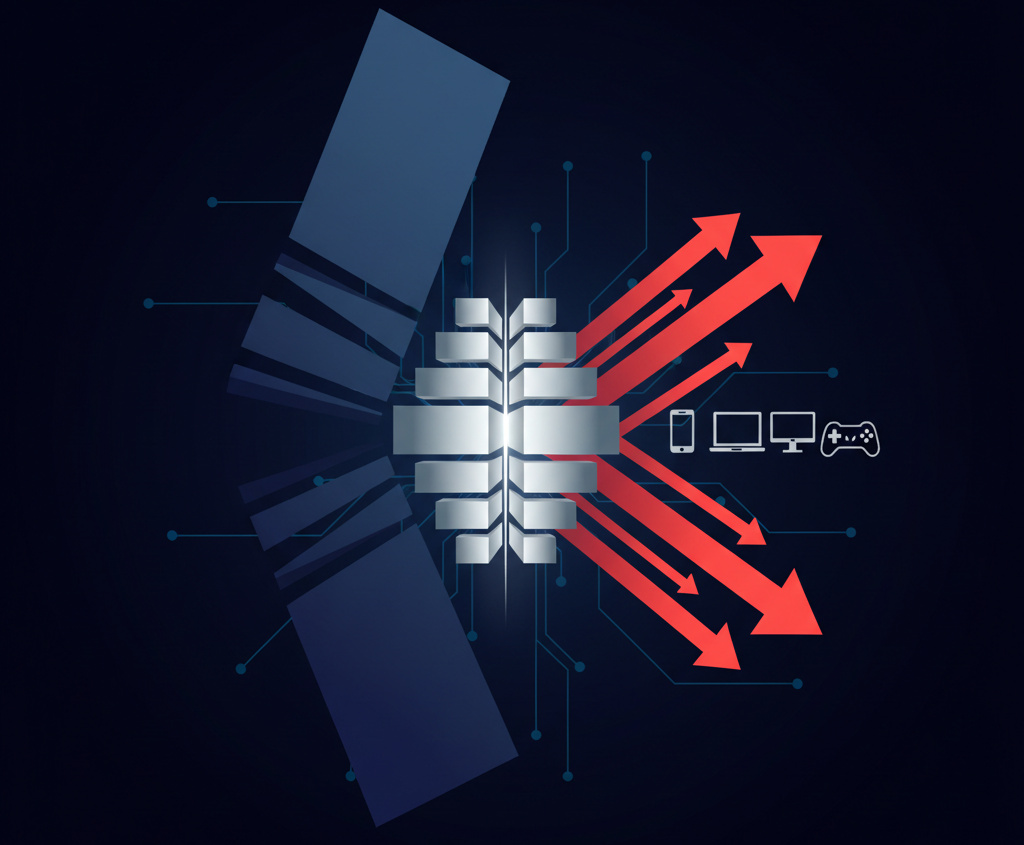
The global race to build AI infrastructure has created an acute shortage of DRAM and NAND memory chips. Alphabet and Amazon plan to spend up to $185 billion and $200 billion respectively on AI this year, absorbing chip supply and forcing consumer electronics manufacturers to raise prices or delay products. Analysts expect the shortage to persist into 2027.
The “famine” hitting your wallet
Memory chip prices have nearly doubled quarter-on-quarter in early 2026, and the impact is spreading beyond data centres into everyday consumer products. Samsung, SK Hynix and Micron — the world’s three largest memory producers — have all said they cannot keep up with demand.
The cause is straightforward: tech giants building AI data centres are buying memory on long-term contracts at premium prices, crowding out makers of phones, PCs and consoles. As electronic components distributor Fusion Worldwide put it, if you are not a tech giant trying to source memory now, “you are competing against the most well-funded supply chain operation in semiconductor history — and losing.”
Arm chief executive Rene Haas called the shortage the most “severe I have seen in at least two decades.” Samsung executive TM Roh described constraints as “unprecedented.”
Consumer fallout is already here
The effects are rippling through the supply chain. Sony is reportedly considering pushing its next PlayStation console back to 2029. Nintendo is weighing a price increase for the Switch 2. Dell, Asus and Acer are exploring sourcing memory from Chinese chipmakers for the first time.
Carl Pei, founder of London-based smartphone maker Nothing, said memory components typically represent about 15 per cent of phone manufacturing costs. “This year, it’s like 40 per cent,” he said, warning that “the era of cheap silicon is over.”
Analyst Claus Aasholm described panic buying comparable to toilet paper hoarding during Covid. Some companies are now shipping equipment without memory installed, leaving customers to source it themselves.
No quick fix in sight
Morningstar and JP Morgan expect shortages to last well into 2027. While manufacturers have begun investing in new capacity, it will not come online until next year at the earliest — and even then, there is no guarantee it will be allocated to consumer products rather than AI infrastructure.
UBS analysts forecast a 120 per cent increase in DRAM costs for the automotive industry, with a potential 5 per cent hit to earnings. Counterpoint Research expects global advanced smartphone chip shipments to fall 7 per cent this year.
Looking forward
The memory shortage exposes a structural tension in the AI boom: infrastructure investment that generates enormous returns for tech giants is creating real costs for every other industry. With AI companies showing no sign of slowing their spending, the question is whether chip manufacturers will expand capacity fast enough — or whether consumer electronics pricing has permanently shifted upward.